Sushi
Colorful rolls with balanced flavors and a fresh finish.
Bright flavors and thoughtful ingredients come together in food made for the way you want to live.
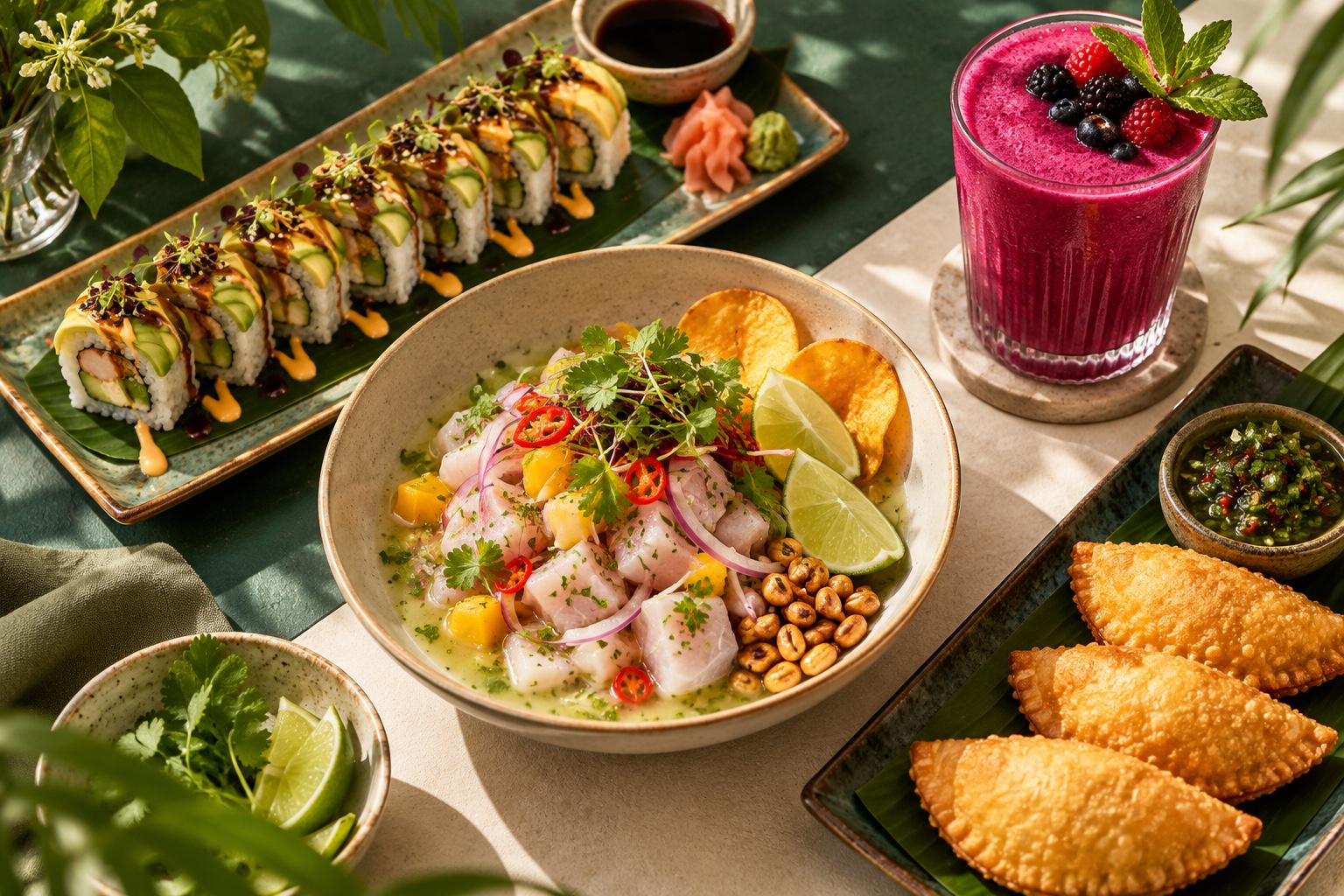
Explore our foodHealthy Living Solution brings together vibrant favorites inspired by Asian and Latin American kitchens. Think fresh ceviche, sushi, fruit smoothies, and cassava empanadas: satisfying choices with flavor at the center.
Whether you are looking for a quick bite or something to share, there is room at the table for food that nourishes and delights.
Colorful rolls with balanced flavors and a fresh finish.
Citrus, herbs, and vibrant ingredients in every bite.
Fruit-forward blends to brighten your day.
A golden, satisfying favorite with Latin roots.
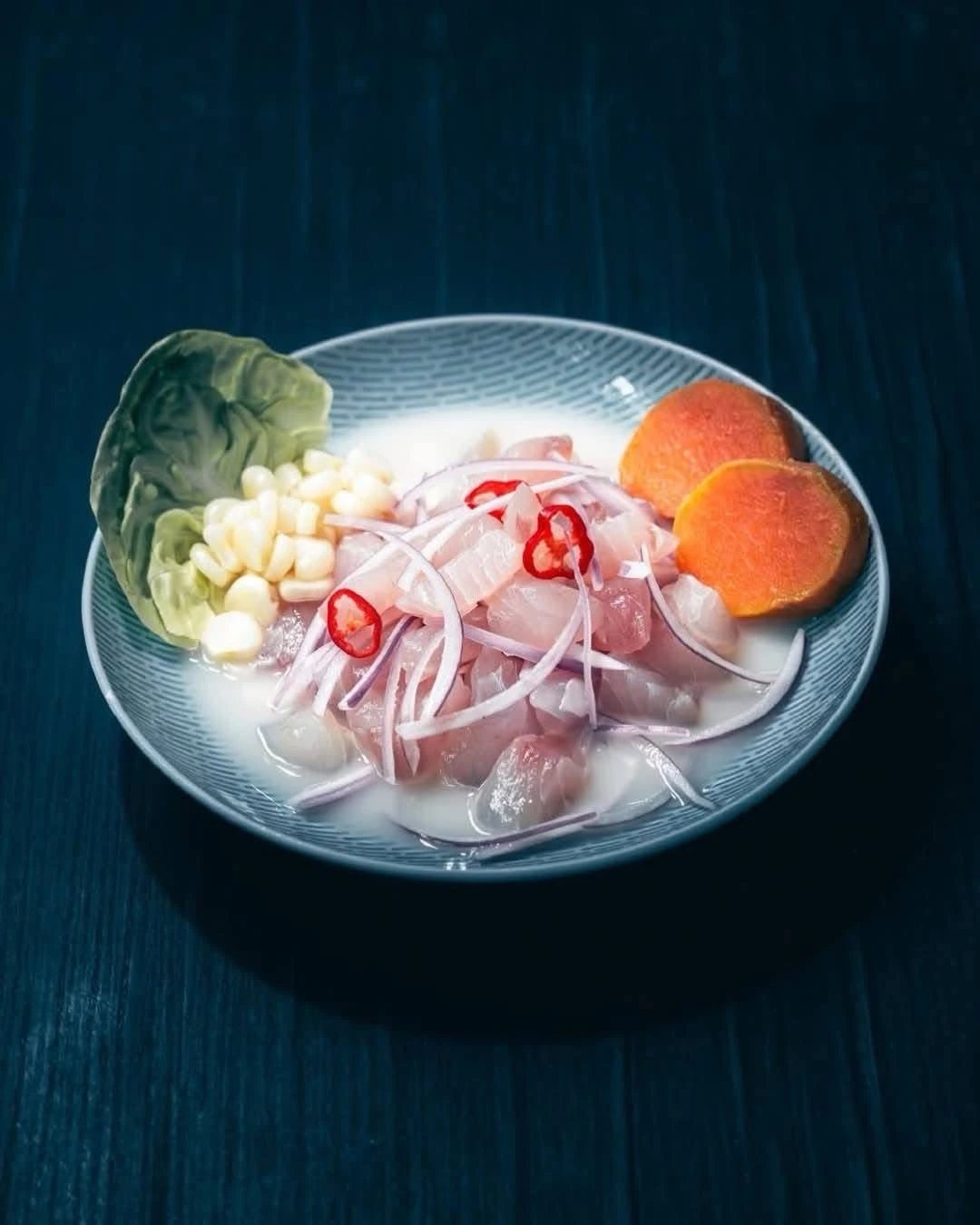
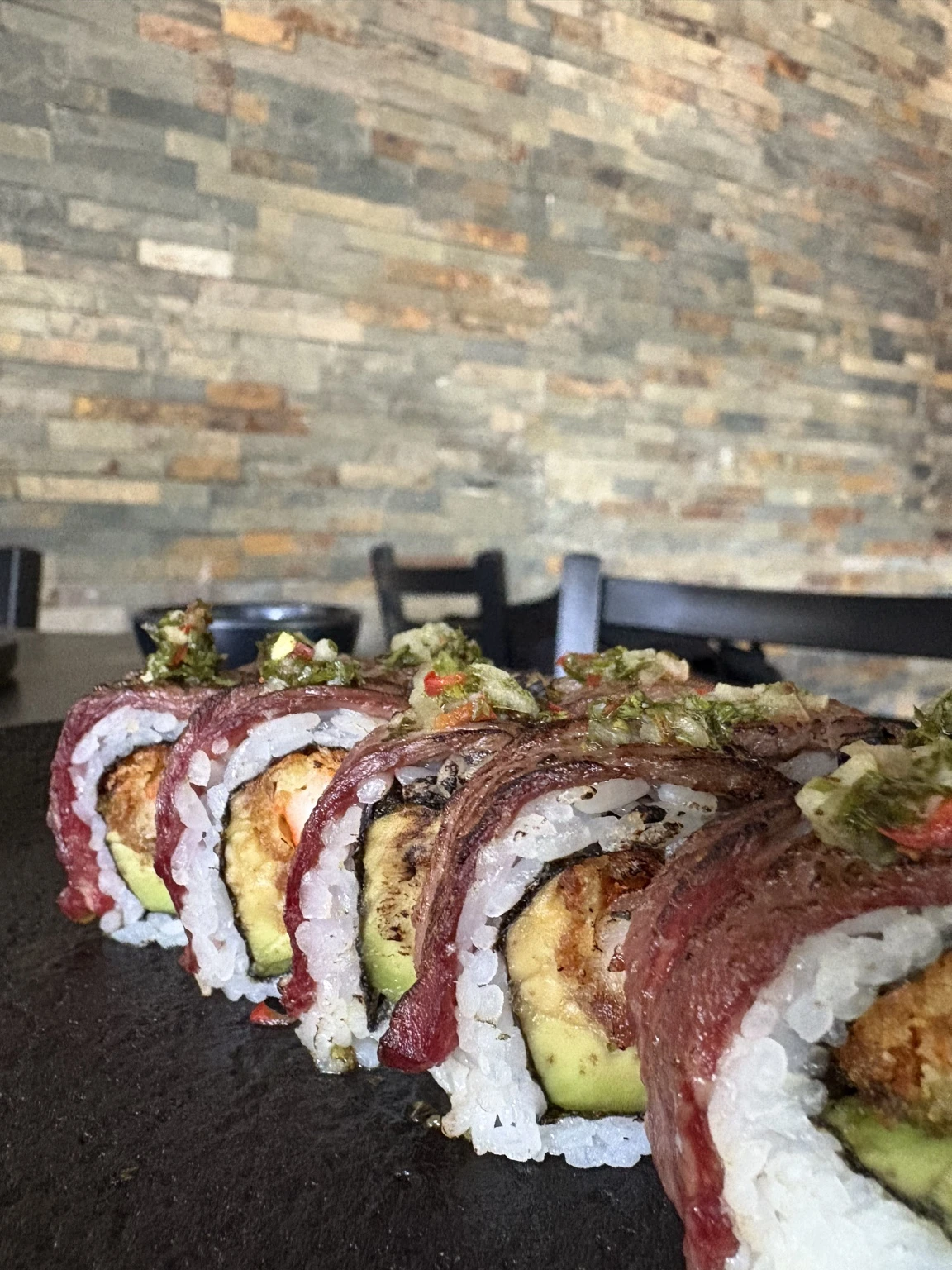
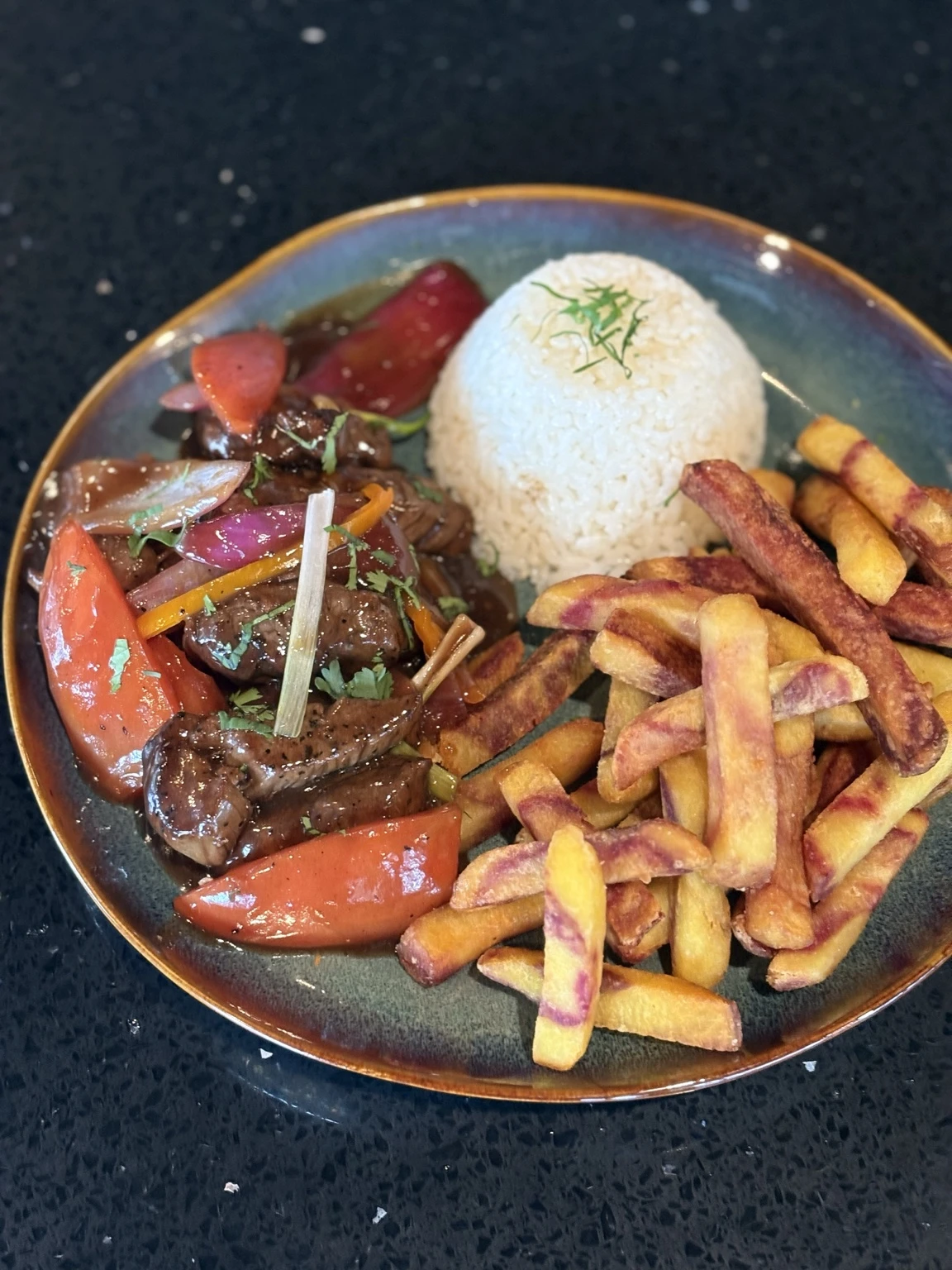
These dish ideas offer flexible starting points for different needs. Ingredients, portions, and preparation should be confirmed for each guest.
Chicken, quinoa, roasted vegetables, greens, and a lemon-herb dressing.
Cassava-based pastry with a savory filling and a side salad; verify every filling and sauce.
Fully cooked salmon, generous non-starchy vegetables, and a measured serving of quinoa.
Grilled chicken, crunchy vegetables, avocado, and a small side of beans; dressing served separately.
Fully cooked chicken, tender rice, soft vegetables, and warm broth.
Fully cooked eggs, soft potatoes, and cooked vegetables, adjusted to appetite and symptoms.

Fully cooked fish, quinoa, and vegetables. Adjust portions and ingredients to your nutrition plan.

A soft, comforting meal idea with fully cooked chicken, rice, and tender vegetables.
Illustrative meal images created with AI; they are inspiration rather than photographs of dishes available to order.
Before choosing: A gluten-free ingredient list alone does not establish a celiac-safe dish; dedicated procedures are needed to prevent cross-contact. For diabetes, carbohydrate portions and medication plans vary by person. During cancer treatment, food safety and tolerance can change; ask your care team about raw fish, ceviche, and other uncooked foods. These ideas are not medical treatment or a substitute for an individualized nutrition plan.
Guidance: Celiac Disease FoundationAmerican Diabetes AssociationNational Cancer Institute
Soursop, guava, and watercress can add variety to meals. Their nutritional value does not mean they treat cancer. Food choices during treatment should fit your appetite, symptoms, medications, and care team's guidance.
Guanábana · Graviola · Annona muricata
The fruit is eaten as food. Leaves, stems, teas, and concentrated extracts are used in traditional remedies, but there is no clinical proof that graviola benefits cancer patients. Laboratory findings do not establish a treatment in people.
Ask your oncology team before using leaf teas or supplements. Graviola may lower blood sugar or blood pressure and interact with medicines. Tell your imaging team if you use it before a PET scan; it may affect results.
Guayaba · Psidium guajava
Guava fruit is an excellent source of vitamin C and provides dietary fiber. It can contribute to a varied diet when tolerated; it is not an established cancer treatment.
Try washed, ripe fruit or a soft cooked preparation. Discuss texture and fiber with your dietitian if you have mouth sores, diarrhea, or difficulty swallowing. Guava leaf tea and extracts are different from eating fruit; ask your oncology team before using them.
Berro · Nasturtium officinale
Watercress is a cruciferous vegetable that contributes vitamins C and K. Researchers study compounds in this vegetable family, but research on cancer prevention does not show that watercress treats an existing cancer.
Use food-grade watercress and wash it thoroughly. Try it cooked in a soup or alongside a fully cooked protein. If treatment weakens your immune system, follow your care team's instructions about raw greens and food preparation.
Support your nutrition, keep your treatment plan. None of these foods, teas, or extracts is proven to cure cancer or replace chemotherapy, radiation, surgery, or other prescribed care. During treatment, getting enough calories, protein, and fluids may matter more than focusing on a single plant. An oncology dietitian can help you choose foods you tolerate.
Food safety and supplements: Wash produce under running water, keep foods at safe temperatures, and use pasteurized dairy or juice. Check with your oncology team before starting herbal products or concentrated supplements; they can change how treatment works. With diabetes, account for fruit carbohydrates and added sugars in your individual meal plan.
Educational information · Sources checked September 29, 2026.
Simple exercise routines, park walks, yoga, meditation, and massage resources in Jacksonville, the Beaches, Fleming Island, and nearby communities.
Choose a routine with your care team. These are gentle starting ideas, not a personalized exercise prescription. During cancer treatment, ask your team about your blood counts, fatigue, balance, recent surgery, bone involvement, and activity limits. Skip exercise when dizzy or unsteady. Stop for new pain, swelling, unusual breathlessness, or feeling faint and contact your care team; chest pain or severe breathing difficulty needs emergency help.
With diabetes, follow your glucose-monitoring and medication plan, carry fast-acting carbohydrate if advised, and wear supportive footwear. In Florida heat, choose cooler times, carry water, take breaks, and walk with a companion when helpful.
Use only movements your clinician approves. Shorten, pause, or skip a session to match how you feel; rest is part of the plan.
A moment of calm supports wellbeing; it does not replace medical or mental health care.
Videos from established cancer care and support organizations. During treatment, review exercise and massage with your care team before following along. You can pause, shorten a session, or simply watch.
An Exercise with MSK session. Review it first and use only movements and intensity your care team approves; standing exercises may need modification.
A 19-minute seated class with different movement options. Use a sturdy four-legged chair and follow only the options suitable for you.
A 20-minute guided mindfulness practice from the Olivia Newton-John Cancer Wellness & Research Centre. Settle somewhere comfortable and pause whenever you need.
An introduction to gentle hand and foot massage for someone with cancer. Ask your care team and an oncology-trained therapist what is appropriate before trying any technique.
Videos play when you choose; no autoplay. If a player is unavailable, use “Watch on YouTube.” Captions and playback settings are provided by the video publisher.
Choose a short route with easy access back to your starting point. Check official pages for closures, admission, restrooms, and accessibility before leaving.
Northbank & Southbank · St. Johns River
Scenic waterfront pathways for a short out-and-back stroll. Choose your turnaround point to match your energy; check access and construction before visiting.
2921 San Pablo Road South, Jacksonville, FL 32224
Nature trails, marsh views, benches, and restrooms. The city lists a wheelchair-accessible trail; confirm current conditions for your mobility needs.
500 Wonderwood Drive, Jacksonville, FL 32233
A coastal park with wooded trails and beach access. Choose a short walking route; sand, roots, and shared trails may be challenging if balance or stamina is limited. Entrance fees apply.
4393 Raggedy Point Road, Fleming Island
A nature park with walking trails and fitness stations. Enjoy the walk at your own pace; use fitness equipment only if suitable for your approved activity plan.
Contact the provider to confirm current sessions, fees, eligibility, and accessibility. General classes are not automatically adapted for cancer treatment.
A 12-week small-group program led by certified LIVESTRONG trainers for cancer survivors. YMCA membership is not required. The program page lists Brooks Family YMCA and Nocatee sessions; ask about current enrollment and options nearer Orange Park or Fleming Island.
First Coast YMCA lists Yoga for Cancer Survivors among its healthy living programs. Ask myhealth@fcymca.org about locations and upcoming sessions. Baptist Health also has a breast cancer survivor yoga page, but it showed no scheduled events when checked.
A local studio with a range of yoga classes. Ask specifically for a gentle, unheated class, chair options, and an instructor comfortable adapting movements to your needs; this is a general yoga studio.
8400 Baymeadows Way, Suite 7 · 904-648-9994. Guided meditation classes welcome beginners and include Buddhist teachings and discussion. Check the current calendar and fees before attending.
Cancer rehabilitation services include neuromuscular massage therapy and specialist lymphedema care. Ask your cancer provider about a referral and the service appropriate for you, or call 1-844-MDA-BAPTIST.
830 3rd Street South, Suite 101, Jacksonville Beach · 904-357-0177. The practice lists oncology massage and serves the Beaches and Ponte Vedra area. Contact them for a consultation, availability, therapist training, and pricing.
Massage during cancer treatment: Choose a licensed therapist with oncology massage training and coordinate with your care team. Pressure, positioning, and the areas treated may need adjustment around surgery, radiation, ports, fragile bones, blood-count changes, or lymphedema risk. Do not assume a standard deep-tissue session is appropriate. Massage, yoga, and meditation are supportive wellness options, not cancer treatments.
Local information checked September 29, 2026 · Confirm schedules, fees, and suitability directly with each provider.
A small occasional drink may be allowed for some people, but there is no universal safe amount or waiting period. Ask your oncology team before drinking wine or any alcohol.
Your answer depends on the immunotherapy drug, other medicines, side effects, and liver blood tests. Some immunotherapies can cause liver inflammation. Alcohol can stress the liver and may worsen treatment side effects, especially in larger amounts.
Avoid alcohol if your liver tests are abnormal, you have liver inflammation, or your team has advised against it. If they approve an occasional drink, ask how much and when is appropriate for your treatment.
Until you have an individual answer, choose an alcohol-free drink.
Contact your oncology team promptly for new yellow skin or eyes, dark urine, severe abdominal pain, or persistent vomiting. These symptoms need assessment during immunotherapy.
General education only. Your oncology team can give advice based on your treatment and health.
Information checked October 10, 2026.
For people living with cancer, type 1 or type 2 diabetes, both conditions, and their caregivers. Reach out to a community buddy, find a support group, or contact an agency for emotional and practical help in Jacksonville and surrounding communities.
A friendly community contact for people affected by cancer or diabetes and their caregivers. Call or text to introduce yourself, share the kind of support you would like, and ask about a time to talk.
Availability varies. This is a personal community contact, not a medical or crisis hotline.
A buddy can offer friendly check-ins, listen to your concerns, and encourage you to connect with your care team and support groups. For a peer with a similar cancer experience, explore Imerman Angels below.
A buddy can listen, help you feel less alone, and encourage routines already agreed with your diabetes team. Ask about your preferences, including a phone check-in or an approved gentle walk. Buddies do not interpret glucose readings or recommend insulin or medication changes.
Start with a friendly check-in, share what kind of encouragement you need, and agree on a comfortable time to connect. Share only what you choose. For medical questions, treatment decisions, or professional counseling, contact your care team or a qualified service below.
Text Martha to express your interest in supporting people affected by cancer, diabetes, or both. Discuss your interests and availability; additional buddy contacts can be added with each person's permission.
Free personalized connections with a peer Mentor Angel for people facing cancer, survivors, and caregivers. Request a match through the organization.
These independent organizations offer different kinds of help. Confirm eligibility, service area, availability, and registration directly with the provider.
Groups for patients and caregivers offer connection, education, and community resources. Contact Social Services about the right group, current dates, and registration.
Free, 24/7 information and referrals for community resources, including food, housing, utilities, and health or social services. Dial 211 or text “hello” to 211904.
A 24/7 cancer helpline with information and support. Ask about rides to treatment, lodging, and other programs; eligibility and local availability vary.
Professional oncology social workers provide resource navigation, counseling, support groups, and information about financial assistance. Services and eligibility differ; check the website for current contact hours.
Free personalized support and resource navigation for people affected by cancer and their loved ones, with English and Spanish options. Check current helpline hours on the website.
Patients and caregivers can ask the social services team about emotional, family, and practical concerns, and available resources during cancer care.
Resources for type 1 and type 2 diabetes, caregivers, and people managing diabetes alongside cancer. Type 1-specific services are labeled so you can choose the right fit.
Information specialists can help you find diabetes education, resources, and community connections. The Center for Information is available Monday–Friday, 9 am–5:30 pm Eastern; check the website for updates.
Diabetes group self-management education and individual registered dietitian appointments. Learn about glucose monitoring, meal planning, activity, and self-care. A physician referral is required; ask about appointments, cost, and insurance.
The Northern Florida chapter connects people affected by type 1 diabetes with local resources, events, and community support. Ask about Jacksonville-area connections and opportunities for adults, families, and caregivers.
Use the American Diabetes Association's program finder to look for diabetes self-management education and support near your ZIP code. A diabetes care and education specialist can help with an individual plan; confirm referral requirements and coverage.
Living with both cancer and diabetes? Ask your oncology and diabetes teams to coordinate medication, glucose monitoring, nutrition, and activity plans. A community buddy can offer encouragement and help you prepare questions, while clinical decisions stay with your care team.
Need urgent help? For a medical emergency, call 911. For a mental health crisis or emotional distress, call or text 988 for the Suicide & Crisis Lifeline. For cancer treatment symptoms, glucose concerns, or medication questions, use your oncology or diabetes team's urgent contact number. Community buddies do not provide emergency response.
Resource information checked September 29, 2026 · Listed organizations operate independently of Healthy Living Solution.
Healthy living can be joyful, generous, and full of flavor. We celebrate simple ingredients, memorable combinations, and the pleasure of sharing a good meal.